
Previous
Next
When a massive kitchen island is carved from a premium slab, valuable fragments often end up tucked away in a shop corner. However, these leftovers are a goldmine for bespoke furniture design. In 2026, savvy homeowners are moving away from mass-produced items in favor of heavy, permanent pieces that utilize these high-value slab off-cuts. Rather than viewing them as scraps, think of them as opportunities to introduce luxury into strategic areas of the home without the investment required for a full-sized slab.
Building High-Impact Entryway Benches
The foyer is the first interaction anyone has with your home, and a bench crafted from a thick piece of granite or honed soapstone serves as a rugged, functional anchor. Unlike wood that scratches under heavy use, a stone bench handles the moisture and mud of a busy entryway without flinching.
Current design favors “block” aesthetics, where the stone wraps around the sides with mitered edges to create the look of a solid monolith. It is a statement of permanence that immediately sets a sophisticated tone for the rest of the house.
Maximizing the Yield of Rare Slabs
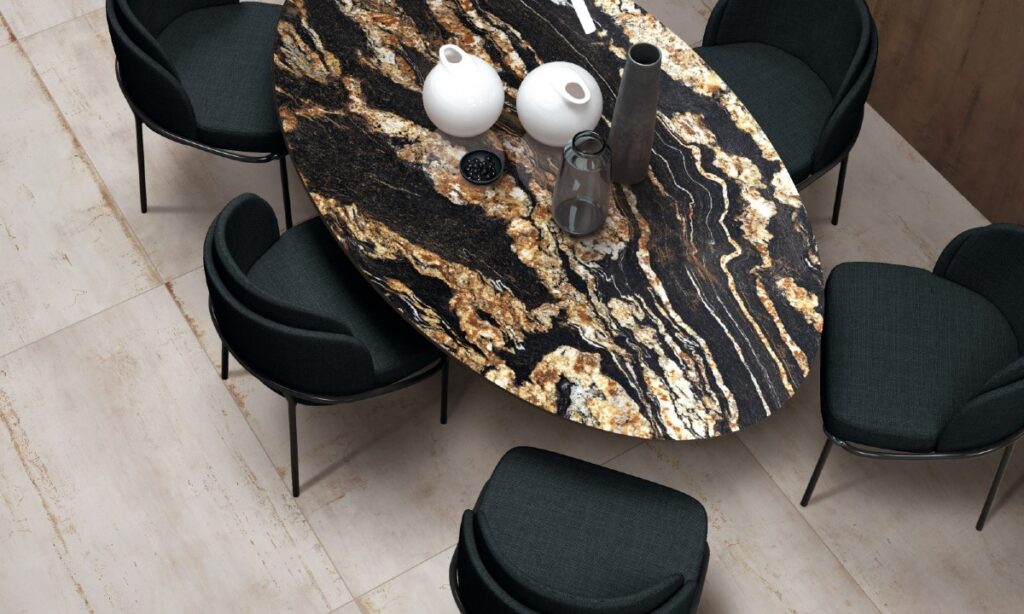
One of the best reasons to start a furniture project is the access it gives you to elite materials. If you love the electric flashes of Labradorite or the dramatic veins of Calacatta marble, but the cost of an entire kitchen is out of reach, using slab off-cuts is the perfect solution. Repurposing a sink cutout or a warehouse remnant allows you to bring that luxury into your home through strategic placement. A small side table lets you enjoy the intricate mineral deposits of world-class stones in a concentrated, manageable format.
The Raw Beauty of the Live Edge
While polished edges are the standard for kitchen counters, custom furniture allows for more creative and tactile finishes. Chiseled or “live” edges on a stone coffee table bring a raw, organic energy into a room. This approach celebrates the geological origins of the material, making each piece of furniture a unique specimen that cannot be replicated. Instead of hiding the stone’s thickness, these projects highlight it, turning a simple utility item into a conversation piece meant to last for generations. Using remnants ensures nothing of value is lost, proving that sustainability and high-end design can live in the same room.