
What Happens During Stone Slab Fabrication?
A stone slab goes through several precise fabrication steps before it becomes a countertop, vanity, island, or custom installation. The fabrication process determines how the material is measured, cut, finished, and prepared for installation. At The Slab Depot, understanding this process helps homeowners, designers, and contractors make more informed decisions when selecting natural stone slabs. The original slab provides the material, but fabrication determines how that material is presented in the final project.CNC Cutting: Precision at the First Stage
CNC stone cutting uses computer-controlled equipment to create precise cuts based on digital measurements. The fabricator programs the dimensions and cutting paths into the machine, allowing the stone to be shaped with a high level of accuracy. This technology is particularly useful for countertops with multiple cutouts or detailed dimensions. Areas for sinks, cooktops, and other fixtures can be mapped before the cutting begins. CNC equipment also helps reduce measurement inconsistencies. Still, accurate measurements and careful planning remain essential because the machine follows the specifications provided to it.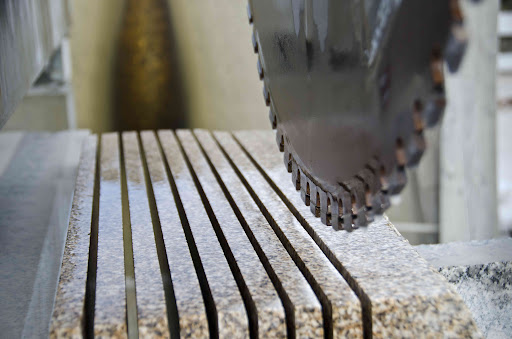
Waterjet Cutting for Detailed Designs
Waterjet stone cutting uses a high-pressure stream of water mixed with abrasive material to cut through stone. This method is useful for intricate shapes, curves, and detailed patterns that may require more control than a standard saw. Waterjet technology can also be used for custom inlays and decorative stone work. Its ability to follow complex digital designs gives fabricators greater control over unusual layouts. The cutting method selected depends on the material, project requirements, and level of detail involved.Choosing the Right Edge Profile
Once the main slab dimensions are established, attention turns to the stone countertop edge profile. The edge is more than a finishing detail because it affects how the countertop looks and interacts with surrounding cabinetry.
Common profiles can range from simple straight edges to more detailed shapes. The thickness of the slab and the desired finished appearance both influence which profile is appropriate.
A carefully selected edge profile can also complement the geometry of the cabinetry and other surfaces without competing with the natural movement of the stone.

Why Polishing Matters
Stone slab polishing is the stage where the surface receives its final finish. Fabricators use progressively finer abrasives to create the desired level of smoothness and reflectivity.
The polishing process can change how the stone’s colors, mineral patterns, and veining are perceived. A polished surface reflects more light, while other finishes provide a different visual and tactile quality. This is why viewing a finished sample can be helpful when deciding on a surface treatment.
Fabrication Shapes the Final Result
A carefully selected natural stone slab is only the starting point. Cutting, edge fabrication, surface finishing, and detailed measurements all contribute to the final countertop or custom piece.
At The Slab Depot, these details are an important part of the stone selection process. Understanding fabrication gives customers a clearer picture of how their chosen slab will become a finished installation and why precision matters at every stage.