The Same Stone Does Not Mean the Same Appearance

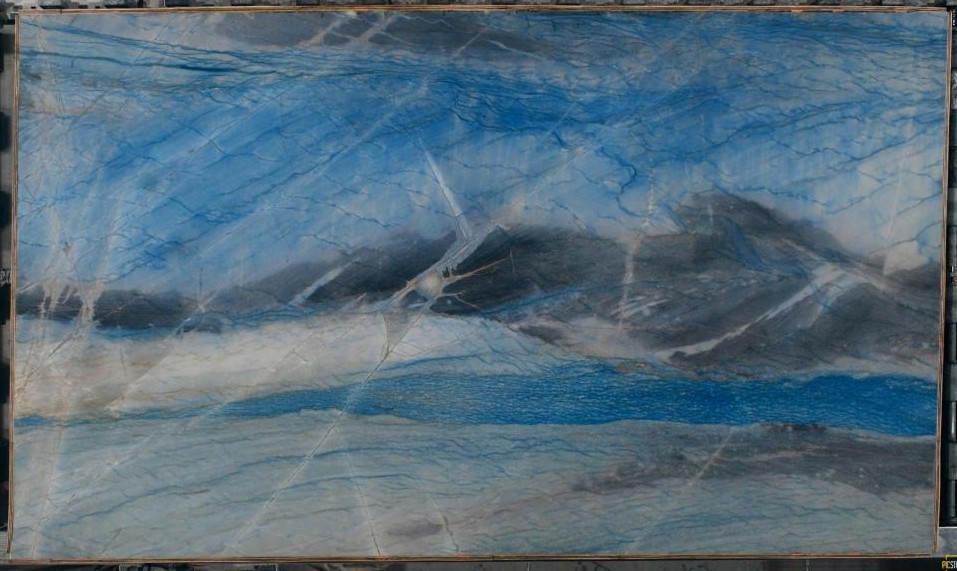
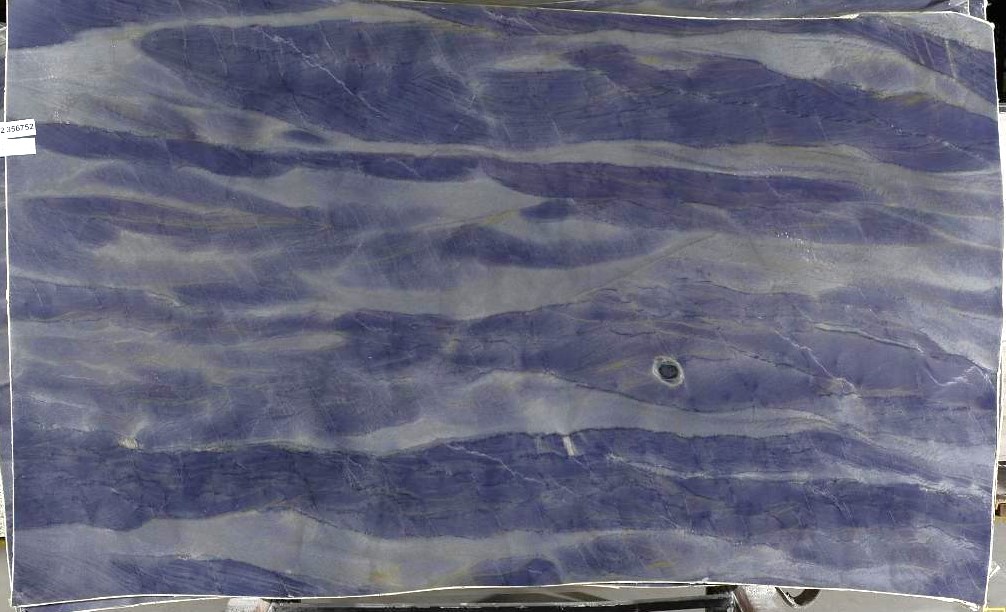
When shopping for natural stone slabs, it is easy to assume that two slabs with the same name will look nearly identical. In reality, natural stone develops underground through geological processes that create variations within the same material.

Mineral content, geological conditions, and the location of the extracted block all influence what appears on the finished slab. This is why selecting a stone slab based only on a small sample may not provide an accurate idea of the final appearance.

Every slab carries characteristics that developed long before it reached a showroom.

Blue Macaubas Quartzite

Quarry Location Changes the Material

The exact area where a block is extracted can have a major effect on its appearance. A single quarry may contain different sections with variations in mineral composition, color, and pattern.

Even blocks extracted relatively close to one another can contain different geological features. Changes in pressure, temperature, mineral deposits, and surrounding rock can produce noticeable differences.

For buyers looking for marble slabs, quartzite slabs, or granite, asking about the stone’s quarry and available lot can provide useful information when comparing materials.

Mineral Composition Creates Unique Patterns

Minerals are responsible for many of the colors and patterns found in natural stone. Quartz, feldspar, mica, calcite, and iron-bearing minerals can appear in different concentrations throughout a geological formation.

A small change in mineral concentration can produce differences in background color or veining. Some areas may contain stronger mineral movement, while another section of the same stone may appear more uniform.

This natural variation is one reason stone slab veining cannot always be predicted by looking at a sample. The larger the slab, the more geological detail becomes visible.

Block Selection Matters

Before a stone slab reaches a showroom, large blocks are extracted from the quarry and processed into slabs. The position and characteristics of each block influence the material produced from it.

Fabricators and suppliers consider factors such as block size, visible features, structural condition, and pattern distribution when evaluating slabs. Two blocks carrying the same commercial stone name can therefore produce noticeably different results.

For a project where veining is an important design feature, seeing the actual slab can be especially useful.

Lighting Can Change What You See

Lighting also affects how a natural stone slab appears. Daylight, warm artificial lighting, and cooler LEDs can make the same surface appear different throughout the day.

Reflective finishes can also interact with surrounding light, making certain veins or mineral details more noticeable. The color of nearby cabinets, walls, flooring, and fixtures can further influence how the stone is perceived.

This is why it is helpful to view a slab under lighting conditions similar to those planned for the finished project.

Natural Variation Is Part of the Material

The differences between slabs are not necessarily inconsistencies. They are a direct result of how natural stone forms and how geological conditions vary within a quarry.

At The Slab Depot, examining the actual stone slabs gives homeowners, designers, and contractors a better understanding of the material they are selecting. Looking closely at the background, mineral movement, veining, and overall pattern can help match the slab to the intended project.

A stone’s name identifies its geological category, but the individual slab tells the more specific story.
Leave a Reply

Your email address will not be published. Required fields are marked *